
April in Spain means one thing for those with a sweet tooth: Torrijas. This classic Easter treat is Spain’s soulful answer to French toast, but with a unique, honey-soaked twist. If you’re visiting Madrid during Easter, you’ll find them everywhere—from cozy neighborhood bakeries to upscale restaurants—each offering its own take on this beloved tradition.
A New Easter Tradition: Homemade Torrijas
This year, torrijas took on a special meaning in my home. Watching the next generation master the details—soaking the bread just right and achieving that perfect golden-brown crispness—was a delight. The results? Absolutely amazing.
We even experimented with toppings: some with classic cinnamon sugar, others with a hint of orange zest or a drizzle of local honey from Madrid’s Sierra. This experience is now a new family tradition that brings the authentic taste of the region to our table.
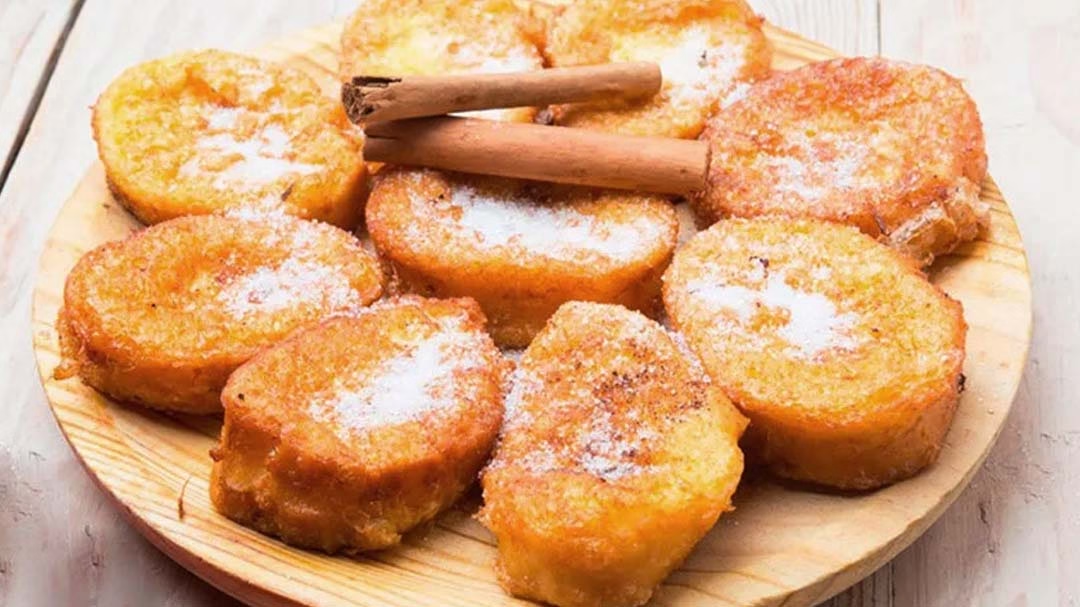
What Makes Torrijas So Special?
Torrijas are a staple of Semana Santa (Holy Week) in Spain, with a history spanning centuries. Unlike American French toast, typically served for breakfast, torrijas are a sweet snack or dessert. The secret lies in the texture: a custardy, soft center protected by a crispy exterior.

Preparation Steps
1. Infuse the Milk: Simmer milk with cinnamon, citrus peel, and sugar. Let it cool slightly—it should be warm, not boiling.
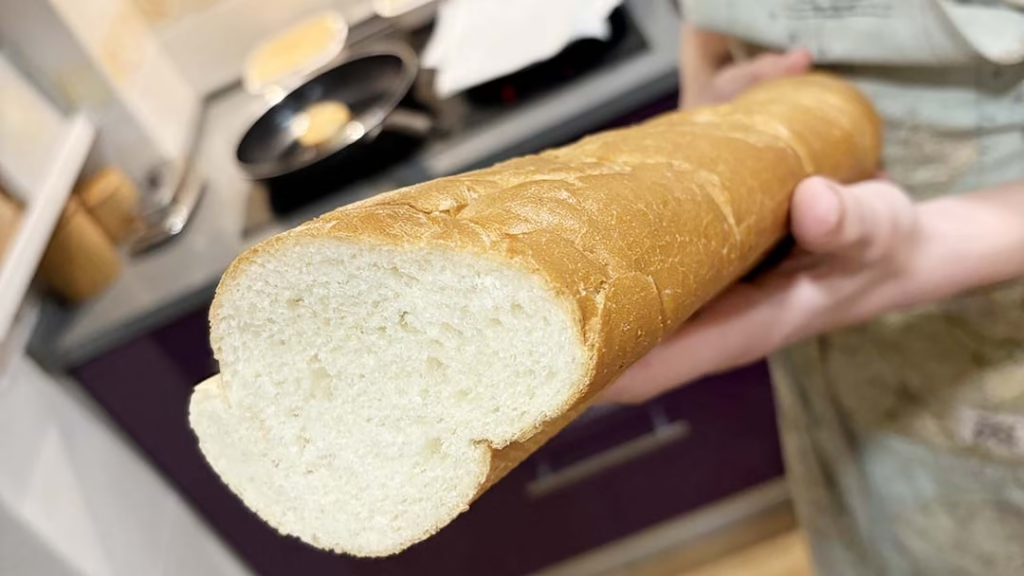
2. Soak the Bread: Pour the warm milk over thick slices. Let them soak for a few minutes until heavy but sturdy.
3. Coat and Fry: Dip each slice into beaten eggs. Fry in olive oil over medium heat until golden brown.
4. The Finish: Drizzle with honey or sprinkle with cinnamon sugar immediately.

A note on frying: Now is not the time to cut corners. Be generous with the olive oil to achieve that perfect golden crust. It’s a seasonal treat, so enjoy it guilt-free!
My Favorite Secret Spots
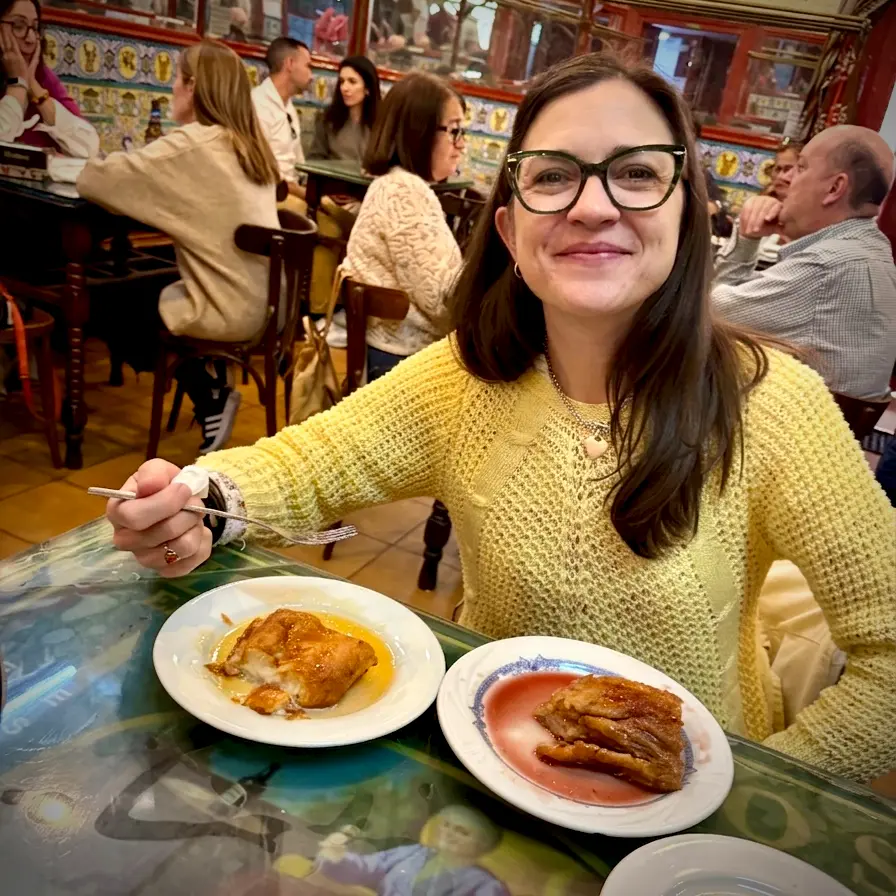
Besides my homemade torrijas, I never miss out on trying Madrid’s favorites. I love visiting spots that specialize exclusively in torrijas, offering everything from the impeccable traditional version to unique red wine torrijas. Trust me, they are absolutely delicious—the perfect balance between heritage and innovation.
Exploring Madrid’s Sweet Side
Introducing visitors to authentic flavors is my favorite part of local life. Easter is the perfect time for a tapas tour, where we can duck into local pastry shops to compare different torrija styles. There is nothing like stepping into a 100-year-old bakery and asking for “una torrija, por favor.” It’s a simple, delicious way to connect with Madrid’s culture.
Frequently Asked Questions
What is the best bread for torrijas?
You need a dense, day-old bread that can soak up milk without disintegrating. Many Spanish bakeries sell a specific "pan de torrija" during Easter.
Are torrijas served hot or cold?
They are delicious both ways! While many enjoy them warm and freshly made, they are also commonly served at room temperature in bakeries.
Ready for some torrijas time?
find your tapas experience