
Growing up in the States, we took our regional produce seriously. Georgia peaches meant summer. And if you ever made it to Gilroy, California, you'd find yourself eating garlic ice cream and somehow not regretting it (it's a 2005 road-trip true story!). And of course, Florida oranges were the gold standard for juice.
Then I moved to Spain. And everything I thought I knew about flavor got quietly, politely dismantled.
When most of my friends from the States think of oranges, they still picture those Florida groves and a tall glass of juice at breakfast. But since living here, I've discovered a citrus world that's on a completely different level. And now that the summer heat has already arrived in Spain, even if we are still officially in spring, I don't want to miss the chance to talk about Spanish oranges. There is no better time to turn our gaze toward Valencia—the source of what I now consider the most flavorful oranges in the world.
Citrus Season at a Glance:
- Valencia: The powerhouse of Spanish orange production (and yes, they might just beat Florida).
- Seville: Famous for the azahar (orange blossom) scent that takes over the city.
- The Drink: Agua de Valencia—the bubbly, bold "Spanish Mimosa" you'll want to recreate.
Why Valencia Oranges Are Different
You might wonder what makes a Valencia orange so special compared to what we find in US supermarkets. It's all about the balance of sweetness and acidity, combined with an incredibly thin skin that makes them a juice-lover's dream. These groves have been cultivated here since the Moorish era, and the Mediterranean breeze adds a specific mineral quality to the fruit.
When I'm exploring the Mercado Central in Valencia, the smell of fresh citrus is overwhelming in the best way possible. Locals don't just buy "oranges"; they know the varieties by heart—from the early Navelinas to the late-season Lane Lates. It's a level of citrus appreciation that I've fully embraced as an expat. Locals don't just buy "oranges"; they know the varieties by heart—from the early Navelinas to the late-season Lane Lates. It's a level of citrus appreciation that I've fully embraced as an expat.
The Magic of the 'Azahar' in Seville
While Valencia is for tasting, Andalusia is for smelling. Every spring, Seville undergoes a transformation. The city is home to over 40,000 bitter orange trees, and when they bloom, the scent of azahar (orange blossom) is so thick you can almost taste it in the air.
As a professional local guide living here, this is the moment I wait for all year. It is the ultimate spring experience—walking through the Barrio Santa Cruz when the blossoms are out feels like walking through a dream. It's not just a scent; it's a signal that the long, sunny days of the Spanish high season are finally here.
Agua de Valencia — The "Spanish Mimosa"
Looking to bring some Spanish sparkle into your home? This is the zesty, elevated answer to the classic mimosa. In Valencia, this is often served in large pitchers meant for sharing during a long afternoon on a terrace.
My Favorite Version (using Blood Orange):
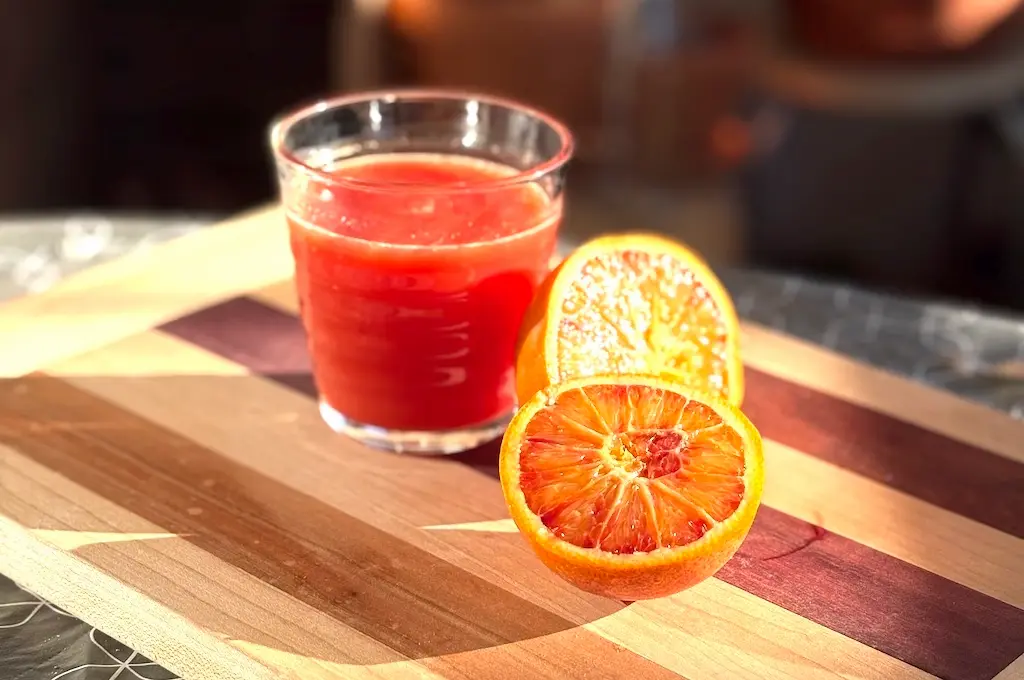
- 1 cup freshly squeezed blood orange juice (the secret to that deep color)
- 1 cup chilled Cava (Spain's answer to Champagne)
- 1 oz Gin & 1 oz Vodka
- Optional: A tiny pinch of sugar if the oranges are tart.
Instructions: Stir gently in a pitcher—never shake, as you want to keep those Cava bubbles alive. Pour over ice and serve with some salty Marcona almonds.
Plan Your Sunny Citrus Escape
This truly is the perfect time of year to explore Spain. The weather is starting to hit that perfect "sweet spot"—warm enough for sun-soaked lunches but fresh enough for exploring the winding streets of the south. Seeing the citrus trees heavy with fruit against the backdrop of the deep blue Mediterranean is a view I never get tired of.
If you're craving those sun-warmed streets and want to experience the authentic side of Spanish food culture, I'm here to help. We can design an itinerary that goes beyond the tourist traps and into the heart of these seasonal joys.
Frequently Asked Questions
Why is it called "Agua de Valencia"?
The name was coined in the late 1950s at Café Madrid in Valencia. A group of travelers challenged the owner to make something better than the usual sparkling wine, and this potent, citrusy "water" was born.
Can I eat the oranges off the trees in Seville?
I wouldn't recommend it! Those are naranjas amargas (bitter oranges). They are stunning to look at and smell, but they're incredibly sour and mainly used for jams.
Ready to experience Spain like a local?
Book a Travel Consultation